Email Marketing Automation: 5 Sequences Every Small Business Needs
Every small business owner knows the feeling: a new lead signs up, a customer buys, someone goes quiet, and you mean to follow up but the week gets away from you. Email marketing automation solves that by sending the right message at the right moment, every time, without you remembering to do it. Set these five sequences up once and they keep working in the background.
What email marketing automation actually is
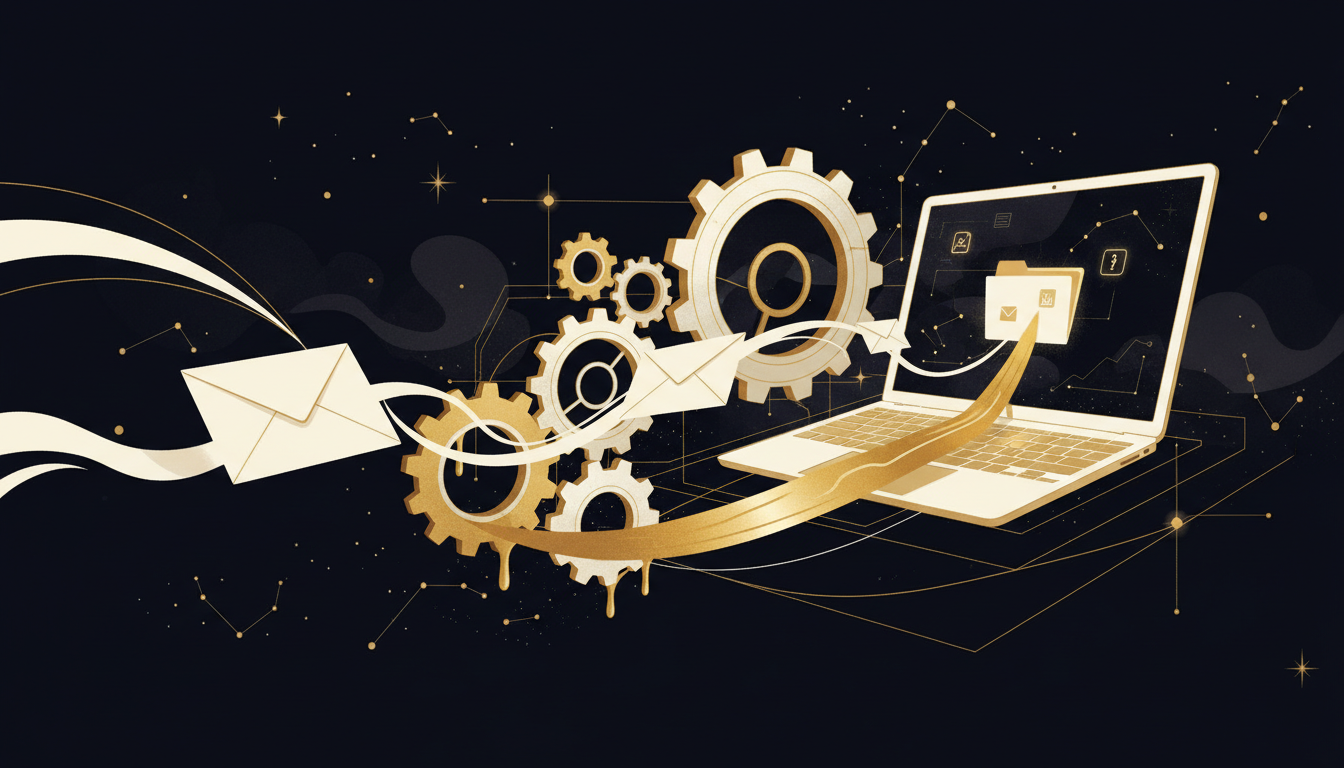
An automation is a series of emails triggered by something a person does, such as joining your list, buying a product or not opening your emails for a while. Instead of writing every message live, you write a sequence once, set the timing, and your email platform sends it to each person as they reach that stage.
5 sequences every small business needs
1. The welcome sequence
Triggered when someone joins your list. Send 3 emails over about a week: deliver what you promised, share your story and best resource, then make a clear, gentle offer. Welcome emails are usually the most opened messages you will ever send.
2. The lead nurture sequence
For people who inquired but have not bought. Share helpful answers to common questions, a client story and an invitation to book a call. Space emails a few days apart so you stay present without crowding the inbox.
3. The post-purchase sequence
Thank the customer, explain how to get the most from their purchase, and ask for a review a week later. This sequence reduces refund requests and builds the social proof that sells to the next customer.
4. The abandoned cart or booking reminder
If someone starts checkout or a booking and leaves, send a friendly reminder within a few hours and one more the next day. Many people simply got interrupted.
5. The re-engagement sequence
For subscribers who have not opened anything in 90 days. Ask if they still want to hear from you, offer something useful, and remove them if they do not respond. A smaller, engaged list delivers better than a large, silent one.
How to set up email marketing automation
- Choose a platform that connects to your website forms and store, such as Mailchimp, MailerLite or a CRM with built-in email.
- Connect your forms so every sign-up lands on the right list automatically. Our guide to connecting your website form to your CRM walks you through it.
- Write the welcome sequence first. It delivers the most value for the least effort.
- Tag subscribers by interest or purchase so later emails stay relevant.
- Test every email by signing up yourself before you go live.
Stay compliant and trusted
Only email people who opted in, include your business address and a clear unsubscribe link, and honor opt-outs promptly. The FTC’s CAN-SPAM guide explains the rules in plain language.
Key takeaways
- Email marketing automation follows up so you do not have to remember.
- Start with a welcome sequence, then add nurture and post-purchase emails.
- Connect your forms so every lead is captured automatically.
- Test, stay compliant and keep your list engaged.
Need help building your sequences? Book a Lumina Clarity Call and we will design an automation plan that fits your business.